Church of San Pietro in Carcere
San Pietro in Carcere is the site where, according to tradition, the apostles Peter and Paul were incarcerated for nine months before their martyrdoms.1 The church claims an ancient and illustrious foundation by Pope Sylvester I (reigned 314–335), the pontiff who baptized the first Christian emperor, Constantine the Great (reigned 307–333), who, in turn, granted substantial privileges to the Roman Church. According to the legend transmitted via early modern sources, after a visit to the site Constantine recommended that the pontiff consecrate a church there.2 The church then became an important pilgrimage destination because of its connection with the two apostles. In the early modern period, structural modifications to the site were made for Jubilee years, when pilgrims flocked to Rome. Despite drastic changes throughout the city over the centuries, the Church of San Pietro in Carcere maintained its privileged status as an important locus of early Christianity.
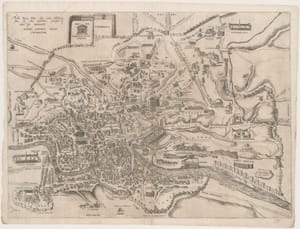
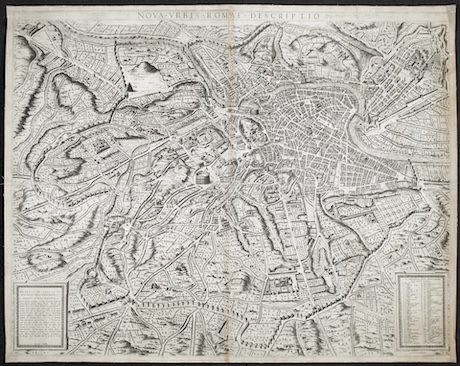
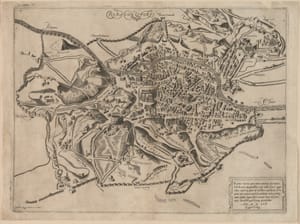
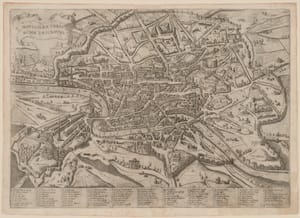
From an urban perspective, the church had only a marginal location in the early modern period, but the site, at the foot of the hill across from the Capitoline facing the Arch of Septimius Severus, had been at the center of civic life in ancient Roman times. The famous statue of Marforius, which once stood near the church as one can see in Pirro Ligorio’s map, gave its name to the adjacent street. The church was a two-level subterranean structure with an irregular plan, atypical for a church; it reflected the inherited structure of the prison. The ancient prison had been carved into the hill near the Campidoglio, behind the Church of Santa Maria in Aracoeli, and had a ground-level component that would subsequently disappear.3 In his reconstruction of ancient Rome, Ligorio proposed a substantially large building which would have corresponded to the upper level. However, as in the case of other monuments still at least partially extant at the time, Ligorio’s vision of ancient structures was equally informed by their contemporaneous features. Therefore, the building may have denoted the church of San Giuseppe dei Falegnami, which was built on top of San Pietro in Carcere after a group of carpenters moved there in 1540.4 Yet the building lacked the bell tower added by the carpenters in 1563—a detail visible on Dupérac’s 1577 map but justifiably absent on Ligorio’s map if the latter had drawn the area before the construction of the bell tower. On the other hand, Ligorio showed the structure equipped with a narthex, a feature absent in Dupérac’s map. Sebastiano de Re’s map (1557) cannot be adduced as evidence of the church’s appearance when comparing Ligorio’s and Dupérac’s map as it shows neither labels nor a particular focus on this area.
Intriguingly, the much later map of Matteo Florimi (c. 1590–1613) rendered the church of San Giuseppe similarly to Ligorio’s rather than to Dupérac’s version. Whether or not Ligorio aimed to recreate the ancient structure, its more relevant sections to San Pietro in Carcere were the subterranean ones. Pompeo Ugonio (1588), Ottavio Panciroli (1600), and Pompilio Totti (1630) report that the more ancient space would have been the upper level of the prison, the lower one being excavated two regimes later.5 In fact, the lower level is datable to approximately the 7th to 6th century BCE and the upper level to the Republican period (6th to 1st century BCE).6 The prison was also called the Carcer Tullianum, either from the Roman king Servius Tullius, who added the lower level of the prison, or from a spring (tullius in Latin) present in that space.7 Early modern sources refer to the prison either as Tulliano, according to ancient custom, or Mamertino, following period custom.8 The latter appellation supposedly derived either from the ancient Roman king Ancus Marcius or from the name of a prefect of Rome of an unspecified time.9
Each level played a different role in ecclesiastical practices at the site. The upper level was associated with an image of Saint Peter that, according to legend, resulted from an imprint made when the saint hit his head against a wall as he was pushed down the stairs. It was supposedly worn to the point of illegibility from longstanding veneration by believers, which included touching it. The portion of wall bearing its traces was removed to create a door for easy access to the site for the Jubilee of 1600.10 Totti called the carpenters “ignorant” for taking such reckless action. Practical issues such as topography and accessibility and technical details such as thickness of the wall must be considered in any discussion of whether they were unaware of the image or made a conscious decision. It is known, however, that around 1597 the carpenters were rebuilding the Church of San Giuseppe dei Falegnami on top of the Church of San Pietro in Carcere. While we lack visual evidence for this specific moment, we can imagine the site obstructed by scaffolding and littered with building materials. Confronted with the necessity of making the site accessible to pilgrims, the carpenters may have opted for the solution that promised the least interference with construction. The removal was supposedly redressed in the early 18th century when an image, alleged to be the portion of the wall bearing the impression, was placed behind a protective grille in the upper chamber of the old prison.11
The lower level of the Church of San Pietro in Carcere was linked to a miracle performed by the two apostles while incarcerated there: the emergence of a spring.12 Sources from the 17th century questioned the authenticity of the fountain then at the site because various buildings and fountains had over centuries come to light in the Campidoglio area.13 In the same underground space was preserved the column to which the two apostles had been chained. Later this space came to be called the Carcer Tullianum, whereas the upper space was considered the Church of San Pietro proper.14 Early modern sources, however, conceived of the two levels as a single unit constituting the Church of San Pietro in Carcere.15
Early modern depictions of the church are rare. Contemporary maps showed buildings only at surface level. In an illustration included in Pietro Martire Felini’s Trattato (1615), the Church of San Pietro in Carcere appears clearly distinguished from that superimposed on it (San Giuseppe dei Falegnami, recently completed in 1602).16 The structure of San Pietro protrudes, creating a platform in front of the facade of the Church of San Giuseppe. The construction materials are evidently different, the masonry of San Pietro in Carcere being made of rougher ones. The entrance to the lower church is delineated by a large doorframe. Two flights of stairs offer access between the two churches. The epigraph inscribed on the occasion of the restoration of the stairs for the Jubilee of 1625 claims that the space of the Church of San Pietro had remained intact.17
The dedication of the church was expanded to include Saints Peter, Paul, and Joseph after the carpenters succeeded in 1540 in securing the site from the rector (rettore) of the nearby Church of Santa Martina, under whose jurisdiction the Church of San Pietro in Carcere resided at the time.18 When the carpenters decided to build a separate and elaborate structure above the church, the dedication of the ancient church was restored to Saints Peter and Paul, whereas the upper church was dedicated to Saint Joseph, the patron saint of the carpenters. When the painters and sculptors moved into the nearby Church of Santa Martina in 1588, the Arciconfraternita di San Giuseppe had been at the Church of San Pietro in Carcere for almost half a century, during which time they had built a church on top of it. The recorded interactions between the Accademia di San Luca and the carpenters concerned the contested jurisdiction over the site. Discussions most frequently involved the leaders of the Arciconfraternita, but the Church of San Pietro in Carcere occasionally surfaces in the Accademia’s documents as well.19 In some cases, they refer to the site in relation to earlier transactions when San Pietro in Carcere was first known as such.20
~ Silvia Tita, revised August 2021
Italian version
Chiesa di San Pietro in Carcere
Secondo la tradizione, la chiesa di San Pietro in Carcere è situata sul luogo in cui gli apostoli Pietro e Paolo furono incarcerati per nove mesi prima di essere martirizzati.1 La chiesa sarebbe stata fondata da Papa Silvestro I (314-335), il pontefice che battezzò il primo imperatore cristiano Costantino il Grande (307-333) — il quale concesse sostanziali privilegi alla Chiesa. Secondo la leggenda trasmessa via le fonti di età moderna, dopo una visita al posto del martirio dei due apostoli, Costantino raccomandò al pontefice di consacrare una chiesa lì.2 A causa del suo valore spirituale e della sua fondazione antica e illustre, la chiesa divenne un importante luogo di pellegrinaggio. Nell’età moderna, furono apportate modifiche strutturali al sito particolarmente per gli anni giubilari quando il numero dei pellegrini aumentava moltissimo nella città. Nonostante i drastici cambiamenti subiti dalla città nel corso dei secoli, la chiesa di San Pietro in Carcere aveva mantenuto uno status privilegiato di importante sito del cristianesimo antico.
Dal punto di vista urbano, il sito ai piedi della collina di fronte al Campidoglio e all'Arco di Settimio Severo che fu al centro della vita civica nell'antica Roma diventò marginale attraverso i secoli. La famosa statua di Marforio che un tempo sorgeva vicino alla chiesa di San Pietro in Carcere—come si può vedere nella mappa di Pirro Ligorio—diede il nome alla strada adiacente. San Pietro in Carcere si presentava come una struttura irregolare sotterranea a due livelli, ovviamente atipica per una chiesa ma che logicamente rifletteva l’ereditata conformazione della prigione. L’antico carcere fu scavato nella collina nei pressi del Campidoglio, dietro la Chiesa di Santa Maria in Aracoeli, e aveva un’imponente componente a livello del suolo che sarebbe poi scomparso.3 Nella sua ricostruzione dell'antica Roma, Pirro Ligorio propose un edificio sostanzialmente grande che avrebbe corrisposto al livello superiore. Tuttavia, come nel caso di altri monumenti ancora almeno parzialmente esistenti al tempo, la visione di Ligorio delle strutture antiche era stata ugualmente informata dal loro aspetto contemporaneo. Pertanto, l'edificio potrebbe aver segnalato la Chiesa di San Giuseppe dei Falegnami costruita sopra San Pietro in Carcere dopo il 1540.4 Tuttavia, all'edificio mancava il campanile aggiunto dai falegnami nel 1563, un dettaglio visibile sulla mappa di Dupérac ma giustamente assente sulla mappa di Ligorio se Ligorio abbia disegnato l'area prima della costruzione del campanile. D'altra parte, Ligorio mostrò la struttura dotata di un atrio, una caratteristica assente nella mappa di Dupérac. In confronto alle mappe di Ligorio e di Dupérac, la mappa di Sebastiano de Re (1557) non può servire come prova in quanto non mostra né nomi dei monumenti né una particolare attenzione a quest'area.
Curiosamente, nella mappa di Matteo Florimi (c. 1590-1613) di qualche decennio più tardi si vede la Chiesa di San Giuseppe similmente a quella disegnata di Ligorio piuttosto che a quella di Dupérac. Ligorio mirava a ricreare più o meno la struttura originale visibile al suolo, ma le sezioni più rilevanti dell’antica struttura per San Pietro in Carcere erano quelle sotterranee. Pompeo Ugonio (1588), Ottavio Panciroli (1600) e Pompilio Totti (1630) riportano che lo spazio più antico fosse il livello superiore del carcere, mentre quello inferiore fosse stato scavato due generazioni più tardi.5 In effetti, il livello inferiore è databile approssimativamente al settimo-sesto secolo a.C. e il livello superiore al periodo repubblicano.6 La prigione fu chiamata anche Carcer Tullianum, nome derivato o dal re romano Servio Tullio, che aggiunse il livello inferiore della prigione, o da una sorgente (tullio in latino) presente in quello spazio.7 Fonti dell’età moderna si riferiscono al carcere sia come Tulliano, secondo antica usanza, sia come Mamertino, secondo l'usanza coeva.8 Quest'ultima denominazione presumibilmente derivava o dall'antico re romano Ancus Marcius o dal nome di un prefetto di Roma di un tempo non specificato.9
Ogni livello ha svolto un ruolo diverso nelle pratiche ecclesiastiche tenute nel sito. Il livello superiore era associato a un'impronta di San Pietro lasciata, secondo la leggenda, dal santo quando colpì la sua testa contro un muro dopo che fu spinto giù per le scale. Si suppone che l’immagine fosse divenuta illeggibile a causa della fervente venerazione da parte dei credenti. Per il Giubileo del 1600, la porzione di parete recante le sue tracce fu rimossa e sostituta con una porta per facilitare l’accesso al sito.10 Totti chiamò i falegnami "ignoranti" per aver agito in modo così azzardante. In ogni caso, questioni pratiche come la topografia e l'accessibilità e anche dettagli tecnici come lo spessore della parete devono essere considerati in qualsiasi discussione riguardante la decisione dei falegnami prima di decidere se fossero a conoscenza della presenza e del significato dell'immagine. È noto, tuttavia, che intorno al 1597 i falegnami stavano ricostruendo la Chiesa di San Giuseppe dei Falegnami sovrastante la chiesa di San Pietro in Carcere. Anche se ci mancano prove visive per questo momento specifico, possiamo immaginare il sito ostruito da impalcature e gremito di materiali. Dovendo rendere il sito accessibile ai pellegrini, i falegnami potrebbero aver optato per la soluzione che prometteva la minima interferenza con le sezioni in fase di costruzione. Una soluzione compensatoria si materializzò solo all'inizio dell’Ottocento quando un'immagine, che si presume fosse la porzione del muro che portava l'impressione, fu posta dietro una griglia protettiva nella camera superiore della vecchia prigione.11
Il livello inferiore della Chiesa di San Pietro in Carcere era legato ad un miracolo compiuto dai due apostoli durante la loro detenzione: fare scaturire una sorgente.12 Fonti seicentesche misero in dubbio l'autenticità della fontana esistente sul sito perché vari fontane e edifici erano venuti alla luce nel corso dei secoli nella zona del Campidoglio.13 Nello stesso spazio sotterraneo si conservava la colonna alla quale i due apostoli sarebbero stati incatenati. Più tardi questo spazio venne chiamato Carcer Tullianum, mentre lo spazio superiore era considerato la Chiesa di San Pietro vera e propria.14 Le fonti dell’età moderna, tuttavia, concepivano i due livelli come parti di un’unica struttura, cioè la Chiesa di San Pietro in Carcere.15
Le raffigurazioni cinquecentesche e seicentesche della chiesa sono rare. Le mappe contemporanee ovviamente mostravano edifici solo dal livello del suolo in su. In un'illustrazione inclusa nel Trattato di Pietro Martire Felini (1615), la Chiesa di San Pietro in Carcere è chiaramente distinta da quella sovrapposta ad essa (San Giuseppe dei Falegnami, recentemente completata nel 1602).16 La struttura di San Pietro sporge, creando una piattaforma di fronte alla facciata della Chiesa di San Giuseppe. I materiali da costruzione sono evidentemente diversi, la muratura di San Pietro in Carcere essendo realizzata con materiali più grezzi. L'ingresso alla chiesa inferiore si fa notare grazie a un robusto telaio della porta. Due rampe di scale facilitano l'accesso tra le due chiese. L'epigrafe aggiunta in occasione del restauro delle scale per il Giubileo del 1625 afferma che lo spazio della Chiesa di San Pietro era rimasto intatto.17
L’intitolazione della chiesa cambiò in San Pietro, San Paolo e San Giuseppe dopo che i falegnami riuscirono nel 1540 a ricevere in uso il sito dal rettore della vicina Chiesa di Santa Martina, sotto la cui giurisdizione risiedeva la Chiesa di San Pietro in Carcere.18 Quando i falegnami decisero di costruire una struttura separata ed elaborata sopra la chiesa, il nome dell'antica chiesa fu restituito ai suoi patroni San Pietro e San Paolo, mentre la chiesa superiore fu dedicata a San Giuseppe, il santo patrono dei falegnami. Quando gli artisti si trasferirono nella vicina Chiesa di Santa Martina nel 1588, l'Arciconfraternita di San Giuseppe era stata nella Chiesa di San Pietro in Carcere per quasi mezzo secolo, tempo durante il quale avevano costruito una chiesa sopra di essa. Le interazioni tra l'Accademia di San Luca e i falegnami riguardavano la giurisdizione sul sito. I nomi dei leaders dell'Arciconfraternita emergono dalle trattative. Anche San Pietro in Carcere si trova occasionalmente nei documenti dell'Accademia.19 In alcuni casi, i documenti si riferiscono al sito della chiesa in relazione a precedenti transazioni concluse quando esso era conosciuto solamente come San Pietro in Carcere.20
Notes
Footnotes
-
For a reconstruction of the Roman Forum, including monuments near the prison, see Gorski and Packer 2015. ↩ ↩2
-
For all these issues, see the entry on the Church of San Giuseppe dei Falegnami. ↩ ↩2
-
According to Totti, the Roman king Ancus Marcius (642‒617 BCE) built the upper chamber and Servius Tullius (active 578–535 BCE) created the lower one two generations later (Totti 1638, 419; also Ugonio 1588, 263, and Panciroli 1600, 663). Ugonio refers only to the temporal issues. For his ancient sources on the Tullian prison, see 245–276. In contrast to Totti, Livy, the most informative ancient source on the topic, dated the two spaces the other way around. [Italian version] Secondo Totti, il re romano Ancus Marcius (642-617 a.C.) costruì la camera superiore e Servio Tullio (attivo dal 578 al 535 a.C.) creò quella inferiore due generazioni più tardi (Totti 1638, 419; anche Ugonio 1588, 263 e Panciroli 1600, 663). Ugonio si riferisce solo alle questioni temporali. Per le sue antiche fonti sulla prigione tulliana, Ugonio 1588, 245-276. Livio, la fonte antica più istruttiva sull'argomento, datava i due spazi al contrario di Totti. ↩ ↩2
-
As mentioned below, Christians believed the spring to have surfaced from a miracle of the two apostles, but it may have existed on the spot from ancient times. [Italian version] Come accennato di seguito, i cristiani credevano che la sorgente fosse emersa da un miracolo dei due apostoli, ma avrebbe potuto esistere sul posto fin dai tempi antichi. ↩ ↩2
-
Ugonio 1588, 49v, 232; Panciroli 1600, 632; Totti 1638, 420. ↩ ↩2
-
For the former, see, for instance, Panciroli 1600, 632; for the latter, see Totti 1638, 420. ↩ ↩2
-
As the legend was transmitted, the two apostles baptized with this water the two soldiers who were guarding them (Saint Processo and Saint Martiniano) and forty-seven other prisoners. Varisco 1565, 21; Ugonio 1588, 49v. [Italian version] Secondo la leggenda, i due apostoli battezzarono con quest'acqua i due soldati che li sorvegliavano (San Processo e San Martiniano) e altri quarantasette prigionieri. Varisco 1565, 21; Ugonio 1588, 49v. ↩ ↩2
-
The legend of Giacomo Fontana’s engraving of 1855 indicates this understanding. Some modern scholarship echoes this stratification of the interior of the church. [Italian version] La legenda dell'incisione di Giacomo Fontana del 1855 indica questa comprensione. Alcuni studi moderni rispettano questa stratificazione dell'interno della chiesa. ↩ ↩2
-
“In honorem Dei, & Ecclesiae ornamentum; Intacto ss.Petri & Pauli carcere scalas, & fornicem S. Iosephi Carpentariorurn Archiconfraternitas restaurauit.” Totti 1638, 420. ↩ ↩2
-
Along with the church, they secured several adjacent houses to be used for the Compagnia’s business (see Anderson 2009, 294). [Italian version] Insieme alla chiesa, c’erano state anche diverse case adiacenti da utilizzare per l'attività della Compagnia (cfr. Anderson 2009, 294). ↩ ↩2
-
On negotiations between the Arciconfraternita and the Accademia concerning the carpenters’ occupancy of the site, see the entry on the Church of San Giuseppe dei Falegnami. ↩ ↩2
-
ASR, TNC, uff. 15, 1625, pt. 1, vol. 103, fols. 462r, 467v. ↩ ↩2